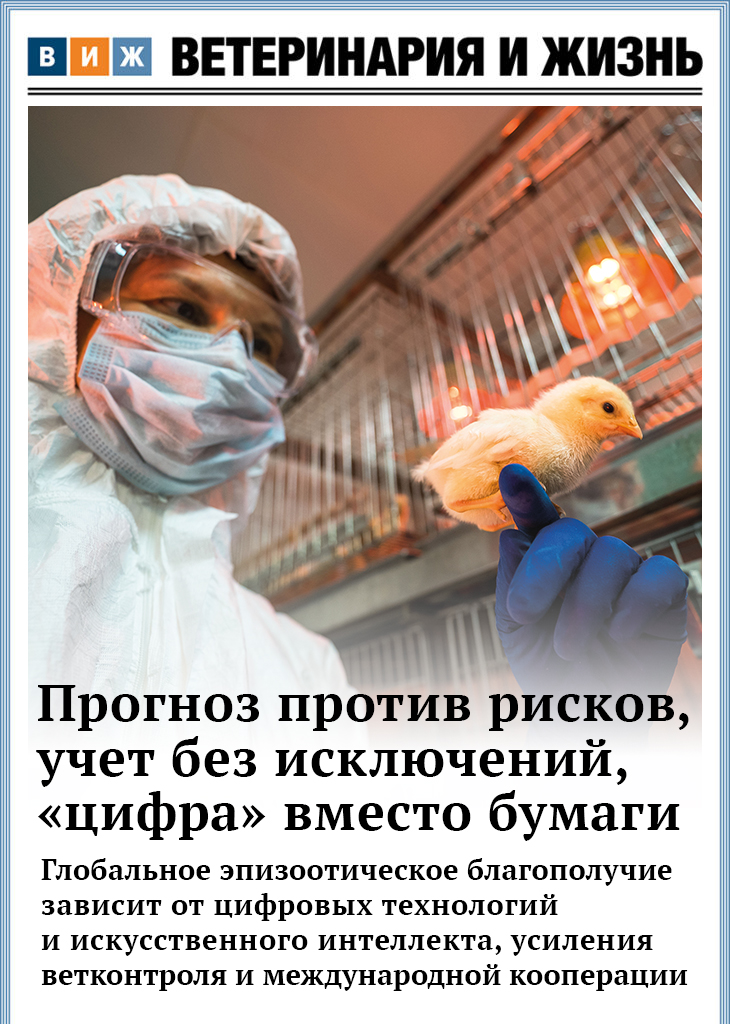


As part of the research, specialists at the All-Russian State Center for Quality and Standardization of Veterinary Drugs and Feed (FSBI "VGNKI") are studying the mechanisms of preserving and restoring the normal gastrointestinal microflora in birds under the influence of antibiotics and infections. The study is intended to improve biological safety and productivity in industrial poultry farming, the institution's press service said.
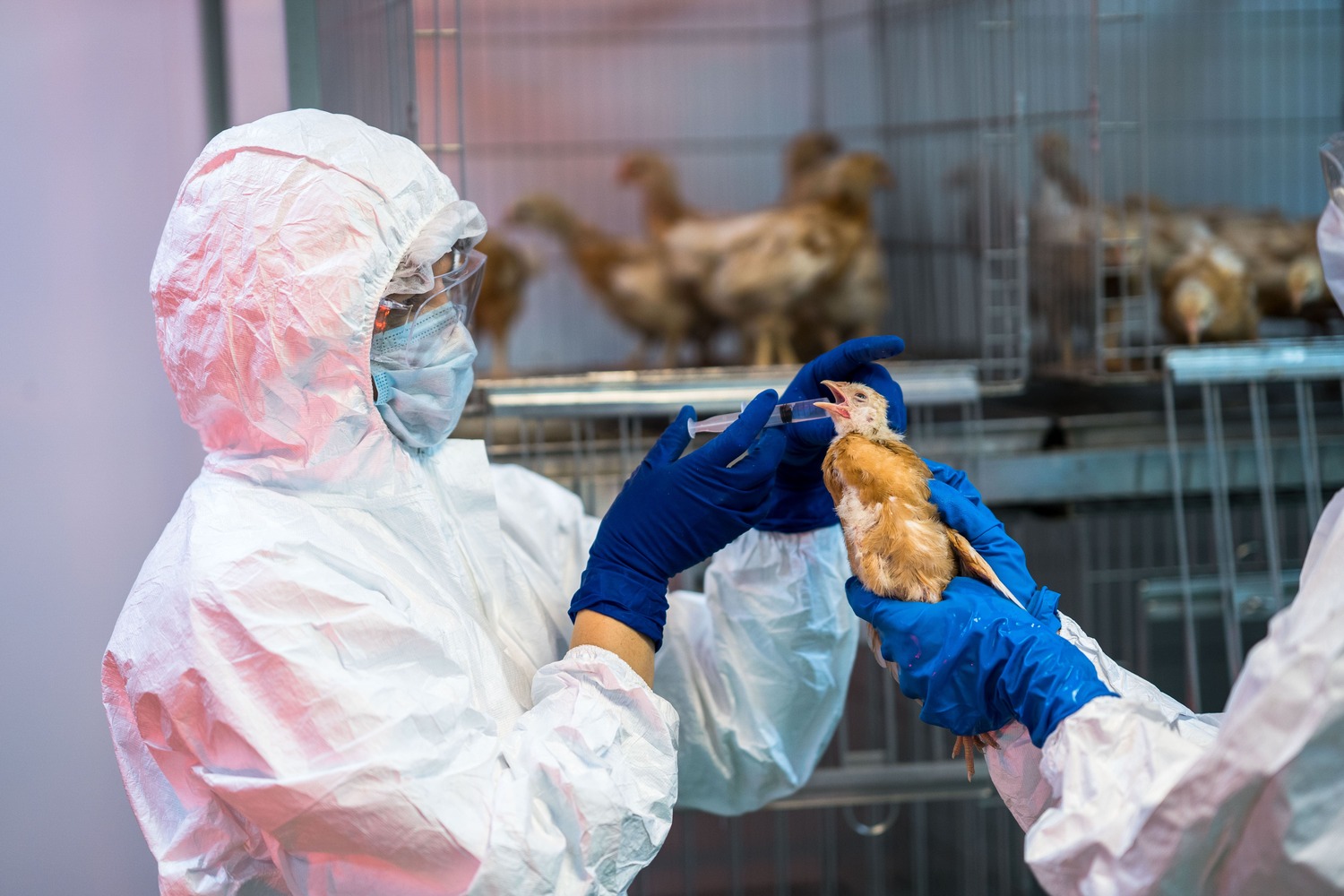
When assessing changes in the microbiota during salmonella infection in chicks, the scientists recorded a sharp drop in the level of beneficial lactobacilli and a surge in enterobacteria. To restore balance, a probiotic supplement made up of four bacterial strains was tested.
The specialists also carried out more than 800 culture inoculations and studied over 500 representatives of the normobiota not only of chickens, but also calves and piglets. As a result of the work, 163 bacterial isolates were identified.
When studying the genome of bacteria of the genus Bacillus, the researchers discovered unique gene clusters responsible for the synthesis of valuable biologically active compounds. The scientists are now preparing another 30 samples for whole-genome sequencing.
In addition, 125 samples of intestinal microbiota have been prepared for long-term freezing. At the same time, 32 strains isolated from the microbiota of calves, piglets and fish are being prepared for transfer to the All-Russian Collection of Microorganism Strains based at VGNKI.
The database created, in-depth genomic analysis and preserved biological materials will form the basis for the industrial development of domestic probiotic feed additives with specified therapeutic properties, the scientists note.
Earlier, "ViZh" wrote that Russian scientists had isolated from hay the basis for a unique feed additive.