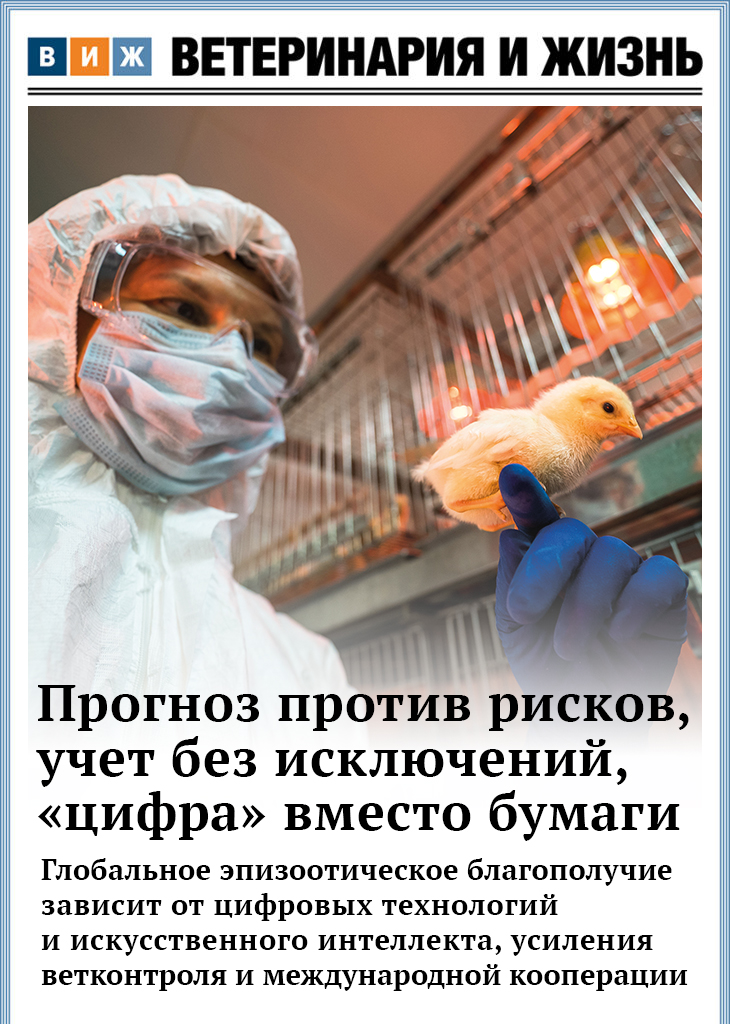

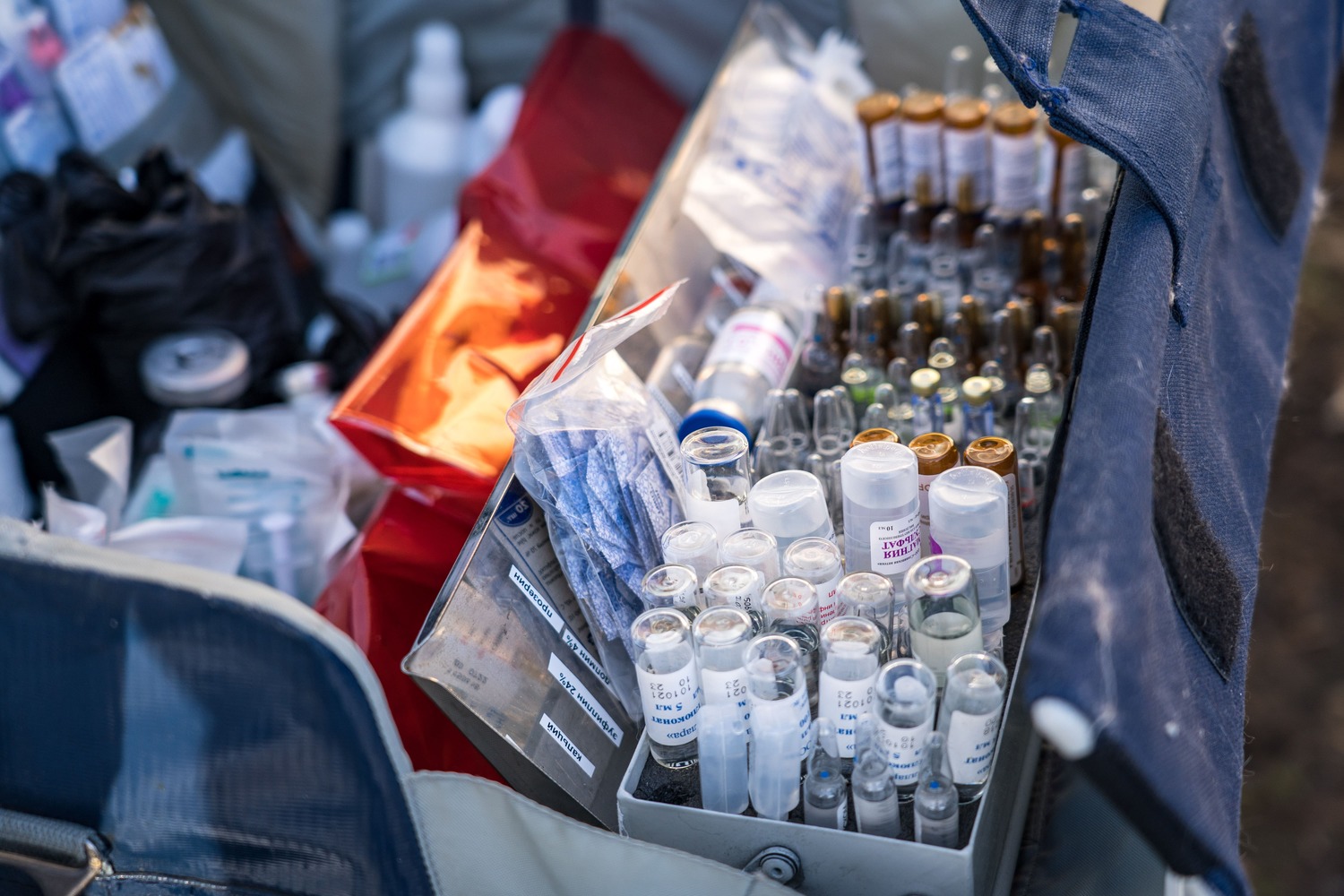
The composition of domestic veterinary drugs registered in Russia varies significantly depending on the animal species. In the assortment for swine and poultry, a significant share is made up of antibiotics, anti-infective agents and vaccines. For dogs and cats, by contrast, antiparasitic agents are the most widely represented.
By the number of registered domestic drugs among the categories under review, dogs lead with 568 positions, cattle with 561, and swine with 541. At the same time, a comparable number of positions does not mean a similar assortment: the ratio of the main drug groups for different animals differs significantly, analysts note.
swine and poultry: a high share of anti-infective agents and vaccines
In the assortment for swine, antibiotics and anti-infective drugs account for 51.2% registered positions. Another 20.1% are vaccines and immunobiological drugs. Thus, these two categories account for more than 70% of the domestic assortment of veterinary drugs for swine.
For poultry, the concentration is even higher. antibiotics and anti-infective agents account for 50.2%, while vaccines and immunobiological drugs account for 33.2%. In total, this is 83.4% registered domestic drugs for poultry. At the same time, the share of vaccines and immunobiological drugs here is higher than in the assortment for swine.
“In poultry farming, the importance of vaccination is largely determined by the production technology itself,” says Oksana Mikheeva, CEO of the analytics group EMEAT and FEEDLOT. “Broilers are raised in an average of 38-40 days at a high stocking density. Under such conditions, an outbreak of infection can quickly affect bird survival, feed conversion feeds and production costs. In swine production, the production cycle is longer, but disease risks are also systemic: infections can reduce weight gain and worsen the use of feeds. Therefore, vaccination and prevention are important for both industries. At the same time, among the agricultural animals under review, poultry has the highest share of vaccines and immunobiological drugs registered.”
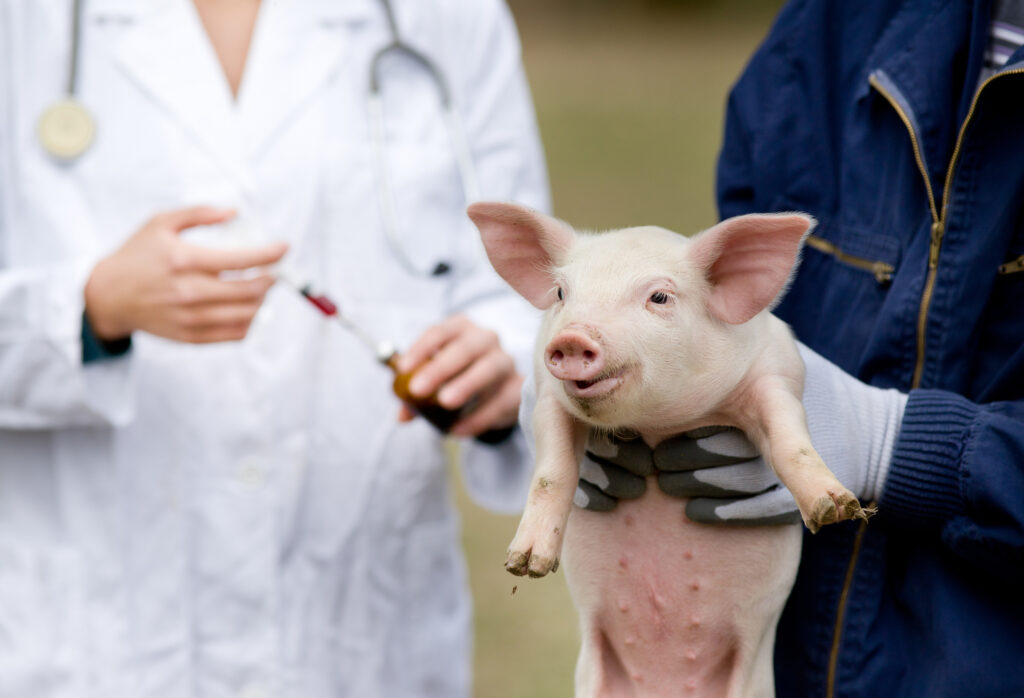
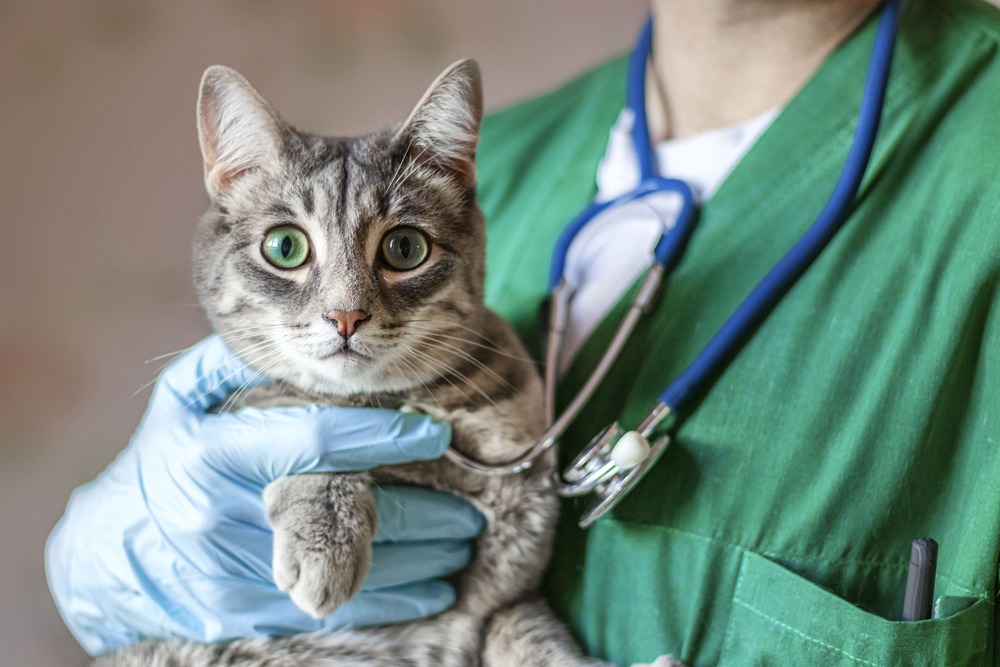
dogs and cats: antiparasitic agents lead
In the assortment for companion animals, the ratio is different. Among individual therapeutic groups, antiparasitic agents lead: they account for 26.6% of the assortment for dogs and 28.1% for cats. The share of antibiotics and anti-infective agents is 13.4% and 12.8%, respectively.
For comparison: in the registered assortment for swine, antiparasitic agents accounts for 5.7%, and for poultry — 5%.
“The comparison shows how differently the assortment is structured for different animal species. For swine and poultry, the two largest groups are antibiotics and anti-infective agents, as well as vaccines and immunobiological drugs. For dogs and cats, the most represented individual group is antiparasitic agents,” comments Dmitry Pamikov, lead analyst of the VetBioPharm Profile project.
Cattle and small ruminants: several leading areas
The assortment for cattle is distributed among several main groups. antibiotics and anti-infective agents account for 31.9%, vaccines — 18.2%, metabolic drugs — 11.2%, and antiparasitic agents — 10.2%.
In the assortment for small ruminants, the differences between the leading groups are smaller: antibiotics and anti-infective drugs account for 28.6%, vaccines — 26.1%, metabolic drugs — 17%, and antiparasitic agents — 16.7%.
Thus, there is no single profile of the registered domestic assortment of veterinary drugs: the set of leading groups and their shares differ depending on the animal species.
Note: data on the registered domestic assortment are given as of August 2026 . Drugs intended for several animal species are counted in each relevant category, so the figures by species do not add up to the total number of unique positions.