
For good animal growth and efficient absorption of feeds, special enzymes are added to it — biological catalysts that break down proteins, starch and fiber. Until now, most such additives on the market were monodrugs, containing only one type of enzyme. Farmers had to buy and mix several imported products at once. If they did not do this, an imbalance developed in the animals’ bodies, leading to digestive diseases.
In addition, microorganisms used to produce such enzymes are grown on expensive purified feedstocks (glucose, starch, corn extract).
PNIPU scientists solved two key tasks: they found a free source of nutrient medium for bacteria and made them produce two key enzymes at once, the university told Veterinariya i Zhizn.
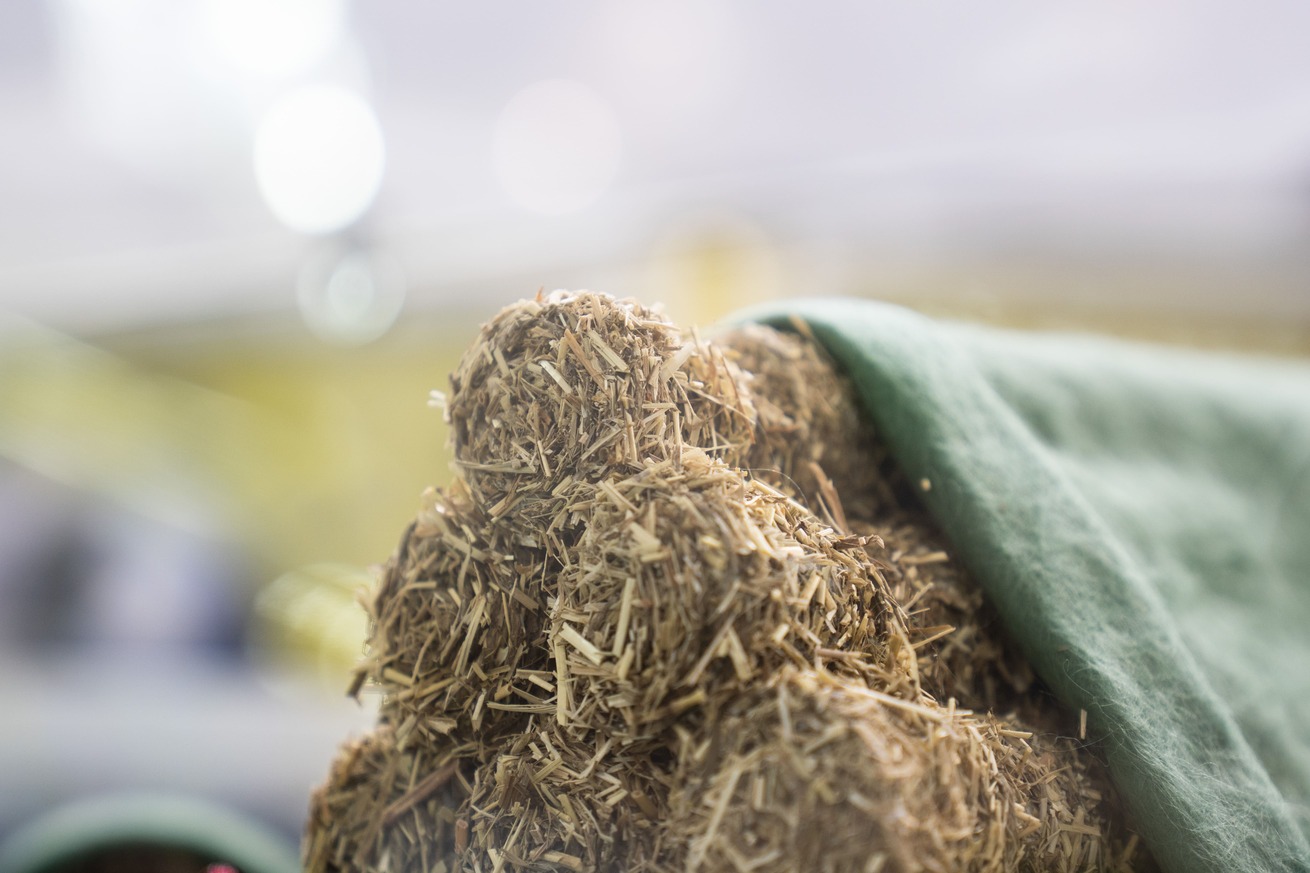
From ordinary hay, the researchers isolated the animal-safe bacterium Bacillus subtilis. It proved capable of actively multiplying on an unconventional and inexpensive feedstocks.
“First, it was necessary to find out how the strain would behave under different conditions and which enzymes it would produce. To do this, we conducted a series of experiments: we grew Bacteria, changing the sources of nutrition. As substrates, we primarily used starch and flour — a classic medium on which microorganisms show high enzymatic activity. We also took bran, wheat and oat, because they are considered the most widespread and accessible waste products of flour milling in Russia,” said Anna Portnova, associate professor at the Department of Chemistry and Biotechnology at PNIPU, Candidate of Chemical Sciences.
The experiment showed that when bacteria were cultivated on oat bran, the efficiency of protein breakdown was more than twice as high as on wheat bran. At the same time, Bacteria also showed excellent results in starch breakdown.
The study results open up the possibility of creating complex feed additives based on domestic raw materials that will simultaneously break down both starch and proteins, replacing several imported monodrugs, the university emphasized.
Earlier, Veterinariya i Zhizn reported that Russian scientists had found a way to increase meat yield of broilers by 13%.