
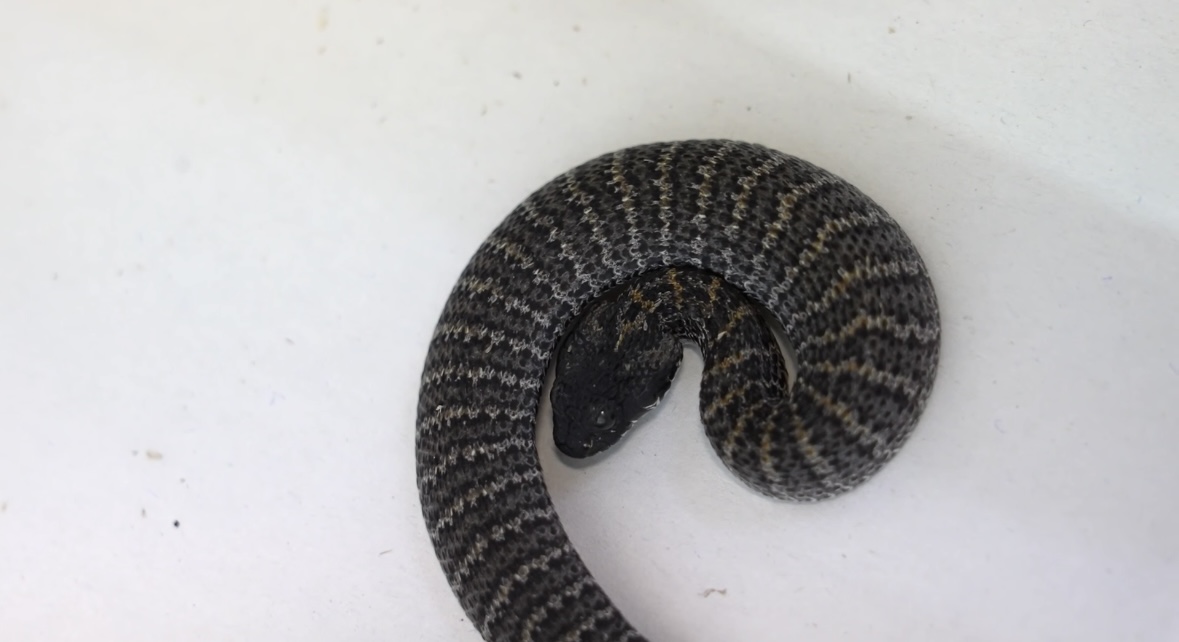
This was reported in the institution’s Telegram channel.
Acanthophis, known as “death adders,” live in northern Australia, New Guinea and on a number of islands in Indonesia. In the wild, these nocturnal, secretive predators occupy the ecological niche of vipers: they burrow into the forest litter and lure prey (amphibians, lizards, birds and small rodents) with rhythmic twitching of the tip of the tail.
From the standpoint of veterinary herpetology, keeping and especially breeding acanthophis in artificial conditions is considered a highly difficult task. Successful reproduction of these reptiles requires precise observance of microclimatic parameters, as well as strict control of the diet. An additional risk for staff is the high toxicity of the venom of these aspids, which requires compliance with biosafety protocols during any handling.
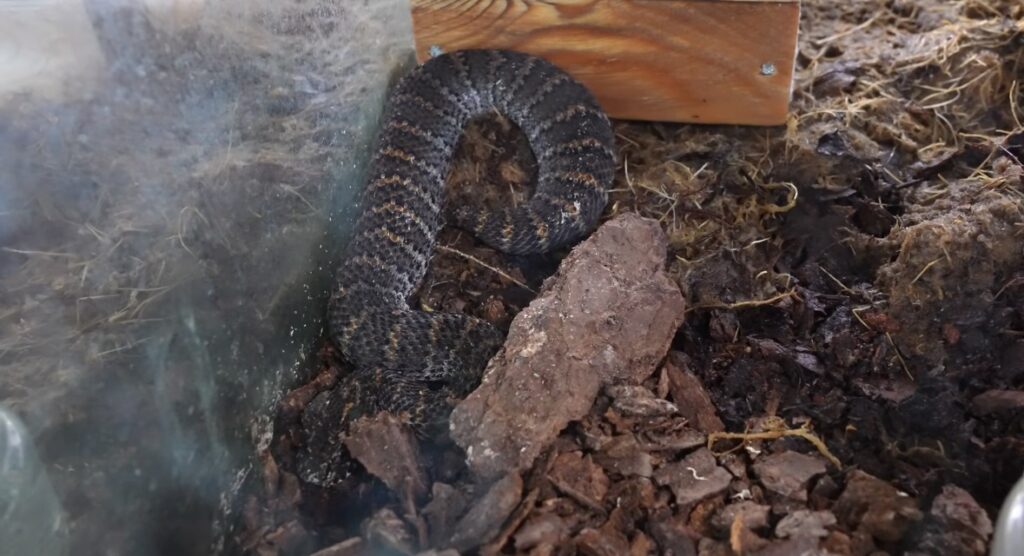
According to Svetlana Akulova, Director General of the Moscow Zoo, this species has been kept in the terrarium for about two years. The main factors behind the success were the careful selection of partners, monitoring of their physiological condition and the recreation of conditions as close as possible to natural ones.
Acanthophis are ovoviviparous. In the wild, a litter can number up to 11 individuals. Moscow specialists managed to obtain three babies. Immediately after birth, the young snakes do not need maternal care and, in terrarium conditions, as in the wild, were separated for individual rearing. Specialists are now working to get the babies feeding.
Earlier, “ViZh” wrote about the appearance of cows breed Highland in the Moscow Zoo.