
This case was presented at the National Veterinary Conference (NVC), writes the magazine Pets.
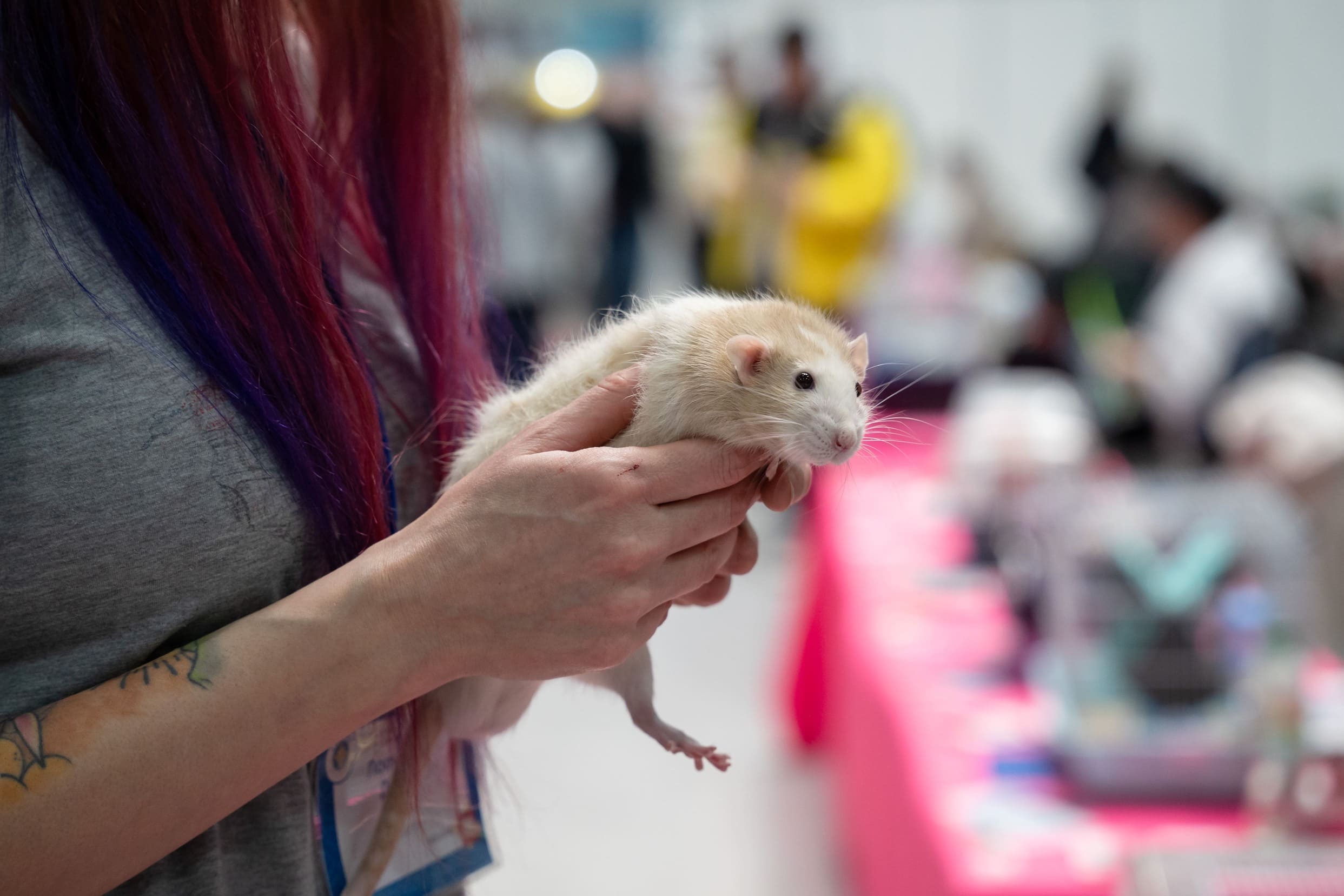
The patient was a 16-month-old pet rat weighing 800 g. The owner brought the animal to a veterinary clinic because of intense thirst, frequent urination and weight loss. The animal still had an appetite, but its physical activity began to decline.
Examination revealed marked hyperglycemia — blood glucose concentration was about 29 mmol/L. A large amount of glucose was also found in the urine. No significant abnormalities were found in the results of the blood biochemical analysis.
Why semaglutide was chosen
The rat was initially prescribed insulin therapy, but over two weeks it was not possible to achieve the necessary control of glucose levels. In addition, because of her work schedule, the owner could not regularly give injections twice a day.
The owner then suggested considering semaglutide application — a drug she herself was taking to treat obesity. Elena Doronina, veterinarian at Vet Planet clinic (Serbia), agreed to experimental therapy. According to her, she had no prior clinical experience using this drug in pet rats.
Semaglutide is the active substance of Ozempic, a glucagon-like peptide-1 (GLP-1) receptor agonist. It enhances insulin secretion in response to rising glucose levels, suppresses glucagon release, slows gastric emptying and helps reduce appetite.
To find out how the treatment ended and what to know about using Ozempic in rats, read the Pets article.