

Two. For one short paragraph, that is indeed a bit much, especially when both are used to spell out numbers. Without them, the text sounds more natural:
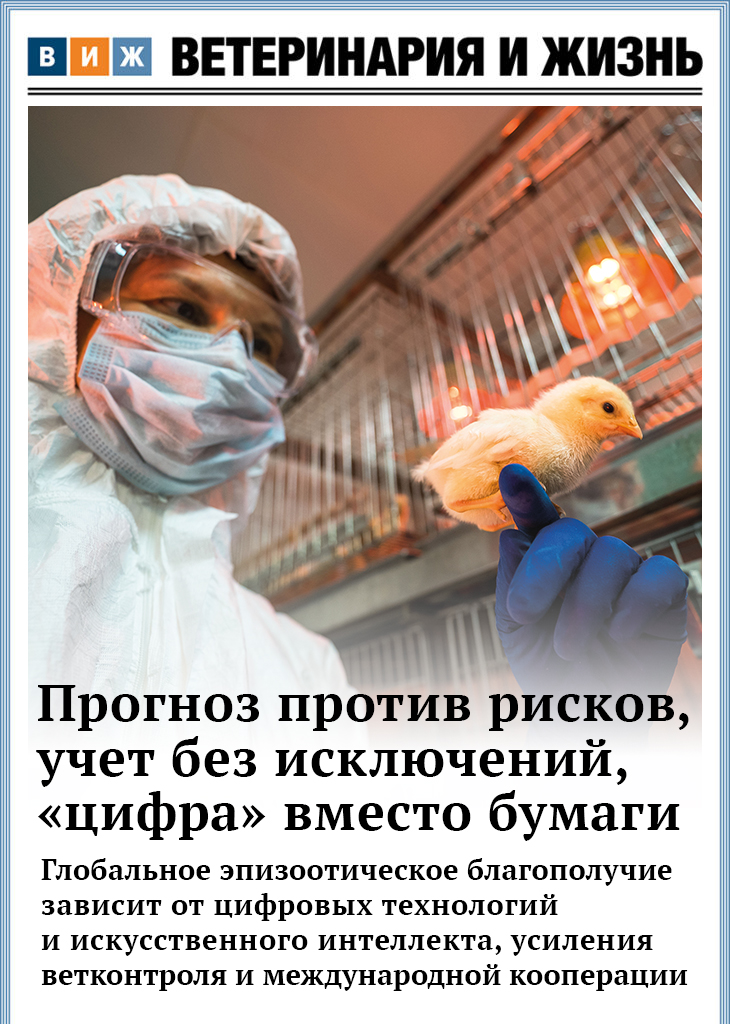
According to Veterinariya i Zhizn, from October 27 to November 16, 57 reports of highly pathogenic bird flu were entered into the World Animal Health Information System (WAHIS). Of these, 21 concerned domestic poultry, while 36 involved wild birds and other animals. During this period, information on 81 outbreak among domestic poultry and 120 outbreaks among wild birds and other species was entered or updated in the system. However, it is impossible to determine how many of them were new, since WAHIS does not distinguish between new reports and updates to previous ones.
The WOAH clarified that the rise in the number of outbreaks over the past three weeks does not in itself indicate a new global wave and does not yet make it possible to judge how the situation will develop. Nevertheless, veterinary services should check whether they can quickly detect and contain new outbreaks.
Observations over the past 15 years show that in the Northern Hemisphere, the seasonal increase usually begins in October, with a peak around February. The spread of the virus is influenced by wild bird migration, animal movement and how strictly farms comply with biosecurity rules.
Countries are advised to monitor not only domestic and wild birds, but also other susceptible animals. This primarily concerns mammals that may have come into contact with infected birds or contaminated environments. Cases of infection in cattle show that the virus can spread beyond bird populations.
The WOAH believes that monitoring wild birds makes it possible to detect virus circulation before it appears on poultry farms and gives farms time to strengthen protection. The organization recommends preventing contact between domestic and wild birds, controlling vehicle access and the movement of equipment, and regularly carrying out cleaning and disinfection. Veterinary services and laboratories have been asked to promptly investigate cases of unusual illness and increased mortality, as well as test submitted samples.