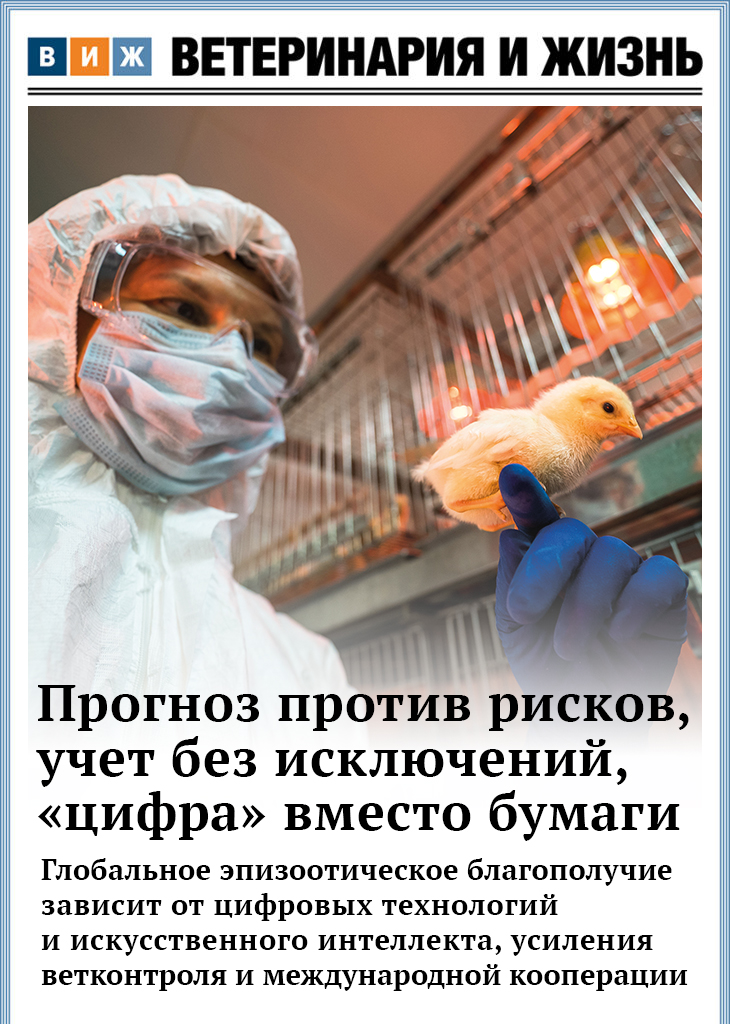


Infectious bronchitis in chickens is a highly contagious disease affecting the respiratory organs, reproductive organs and kidneys. It reduces poultry productivity and may occur without clinical signs.
Under the new rules, the owner must report sudden deaths, a simultaneous mass outbreak of disease or unusual behavior in poultry to the state veterinary service within 24 hours. Poultry suspected of disease and carcasses of dead birds must be isolated. Preventive vaccination will be carried out under regional plans for anti-epizootic measures.
During laboratory testing, the flock must be kept indoors without outdoor access. Poultry, eggs and other products may not be removed from the poultry house where birds suspected of disease are kept and taken to other farms. It is also prohibited to use untreated eggs for incubation, or to obtain and use semen from roosters kept there.
For diagnosis, tracheal swabs and blood serum are to be collected from 25 birds from one poultry house. If there are fewer than 25 birds in it, samples are taken from the entire flock. The material must be delivered to the laboratory within 48 hours after collection.
The diagnosis will be considered confirmed if the laboratory identifies and isolates the pathogen not related to vaccine strains, or detects its genetic material.
After the disease is confirmed, quarantine is to be imposed in the epizootic outbreak. Outdoor keeping, movement and regrouping of poultry within the farm, as well as its import and export, except for slaughter, are prohibited there. The restrictions apply to eggs, feeds, equipment, down, feathers and rooster semen that have come into contact with sick birds.
The procedure for culling the flock depends on the age, production purpose and body condition of the birds. If the poultry house with sick birds contains birds younger than 120 days of egg-laying type or younger than 150 days of meat type and/or not fattened enough for slaughter for meat, the entire herds is subject to slaughter without bleeding. In other cases, sick birds are disposed of after slaughter without bleeding, while clinically healthy birds that have reached the required body condition are sent for slaughter within 24–48 hours after the diagnosis is established. If this is not possible, they are vaccinated and sent for slaughter within the time limits specified in the vaccine instructions.
quarantine may be lifted 50 calendar days after the slaughter of the last bird kept in the poultry house where sick birds were detected, and after completion of the other required measures.
In addition, the rules regulate the determination of the boundaries of the epizootic outbreak, notification of authorities and the public, treatment of eggs, feeds, feathers and down, disinfection of manure and litter, disinfection of premises, equipment and transport, as well as disposal of biological waste and the use of slaughter products.
The order will enter into force on March 1, 2027 and will remain in effect until March 1, 2033.