
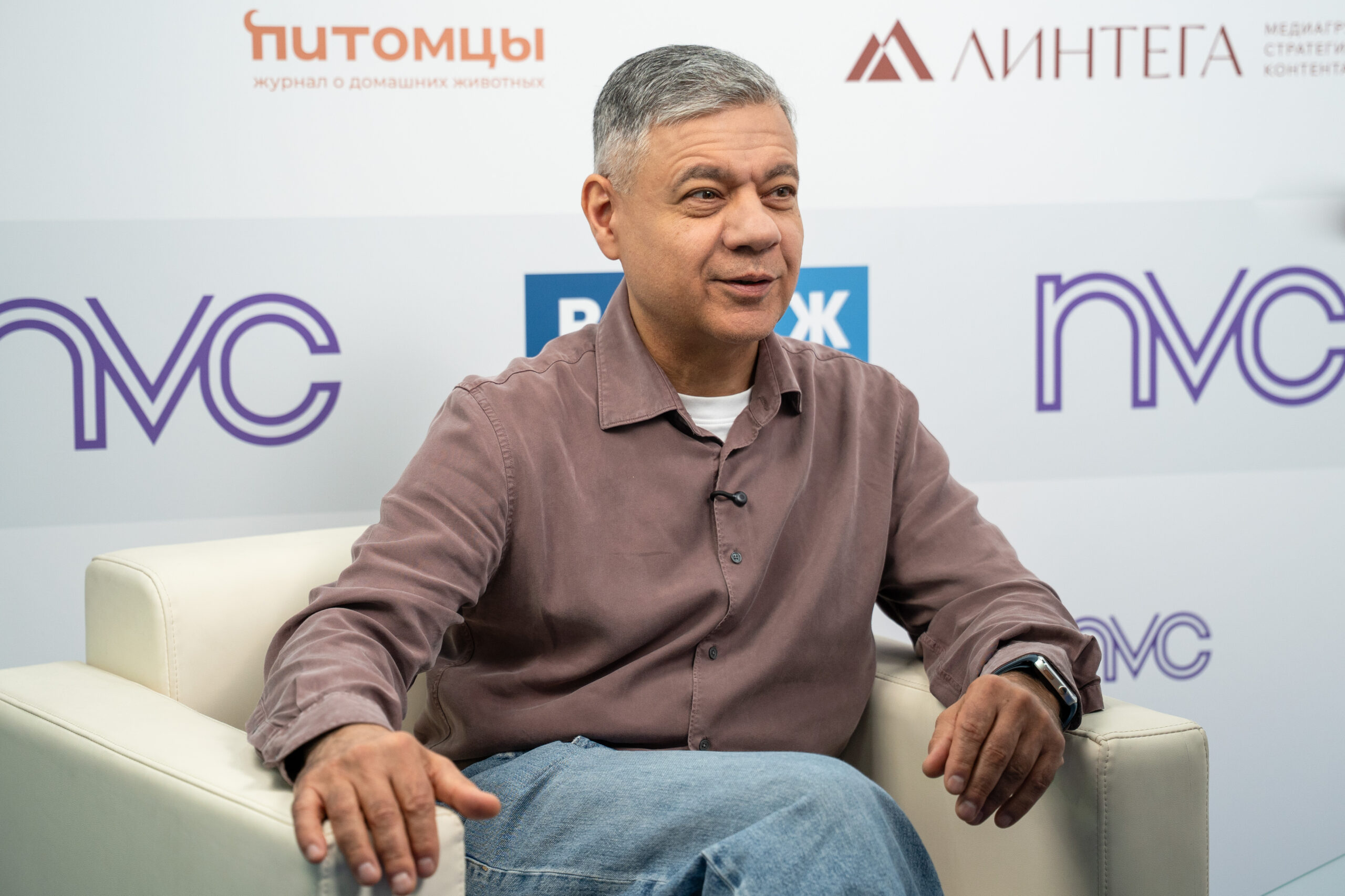
One of the topics of the conversation was the possible return of licensing in veterinary medicine — this issue has been discussed more and more often in the industry lately. However, Sergey Mendoza-Istratov is critical of the previous admission procedure.
“You know, I lived through the licensing that existed before, and of course it was largely formal in nature”, the V&Z interlocutor recalled.
To avoid repeating that experience, he believes the development of requirements should be entrusted to professional organizations uniting veterinary doctors. This approach would make it possible to update the rules in step with changes in diagnostics and treatment.
Certification should apply to both clinics and doctors. In a medical organization, working processes, patient safety and epizootic protection measures should be assessed; for a specialist, basic knowledge, including in the field of infectious diseases and zoonoses.
Professional burnout was also discussed separately. At White Fang, they try to reduce the emotional burden on employees, including through training in communication with pet owners.
“We have a special, one might say, small unit in the clinic that is precisely engaged in training communication veterinary doctors. <…> Ultimately, their relationship with the client became more of a partnership, supporting each other”, said the head of the chain.
However, in his view, it is impossible to completely remove the emotional burden from a person.
“But in any case, we understand and acknowledge that the work of a veterinary doctor is very difficult. An animal’s life is short compared with a human’s. We deal with death often, and that is a heavy burden”, Sergey Mendoza-Istratov admitted.
He believes future students should get acquainted with the work of a veterinary clinic even before entering university. Such exposure will help them understand in advance whether they are ready for the emotional side of the profession.
In the full version of the interview, we also talk about the possible consolidation of the veterinary clinic market, rising service costs, the use of artificial intelligence and the creation of teaching hospitals at veterinary universities.
Watch the interview.