

According to forecasts by experts, the peak threat will last from October to January. Almost all herds of the region's agricultural animals are at risk, including sheep, goats, cattle and camels. The infection also poses a direct threat to people. infection can occur both through insect bites and through close contact with infected livestock or livestock products.
The most critical situation is in six countries: Ethiopia, Kenya, Somalia, South Sudan, Tanzania and Uganda. Heightened vigilance has also been declared in Burundi, Rwanda, in northern Madagascar and in the southwest of the Arabian Peninsula.
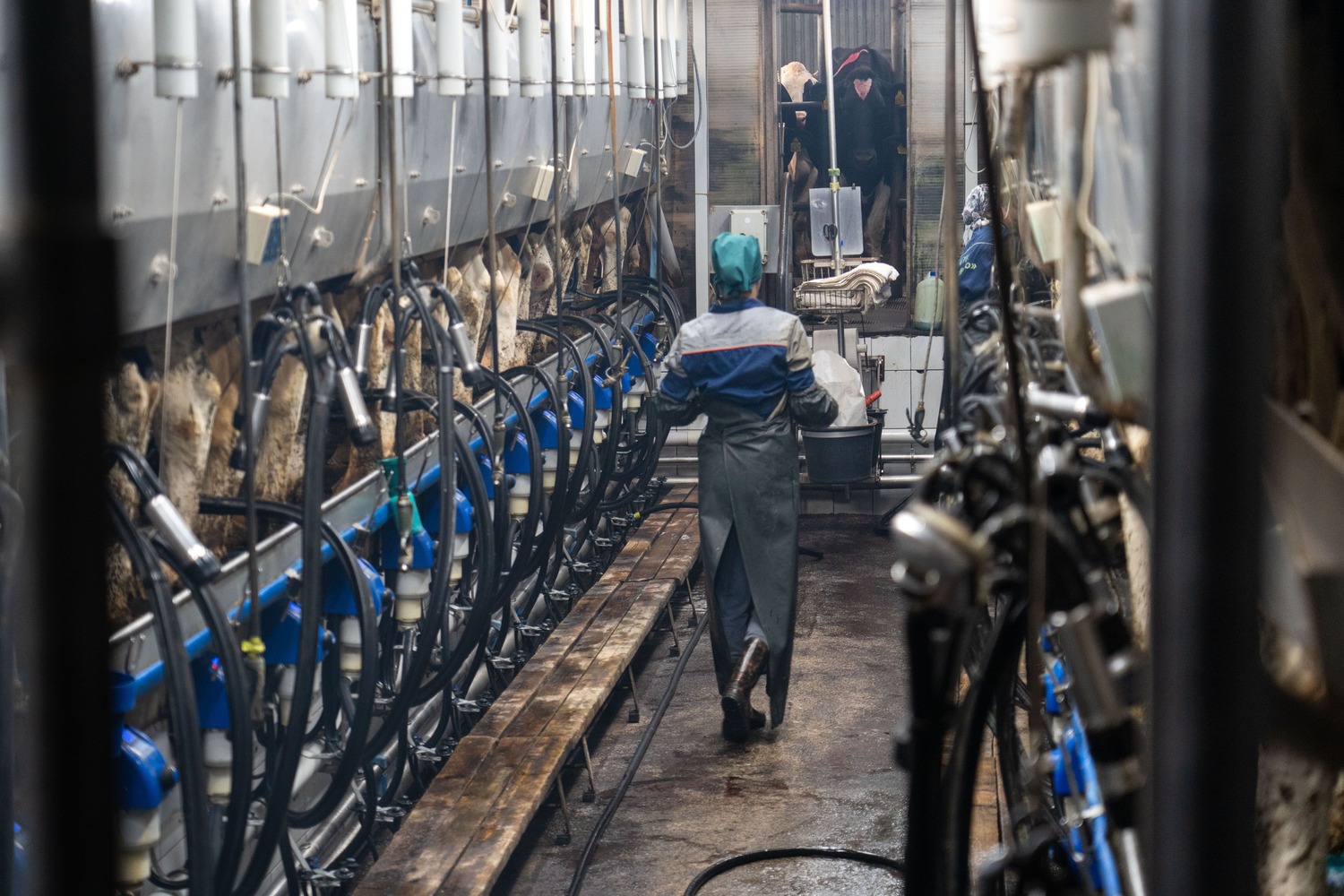
To prevent major losses in the agricultural sector, relevant agencies and farmers have been advised to switch to enhanced epidemiological monitoring. Veterinary services have been instructed to promptly record any cases of sudden deaths among young animals and unexplained mass abortions among livestock.
!
ViZh reference
Rift Valley fever is a natural focal infectious disease of humans, sheep and cattle. sheep and goats are more susceptible to infection than cattle and camels. The initial sign of an RVF outbreak in animals is often a wave of unexplained abortions among livestock, which may signal the start of epidemics. Symptoms in humans include malaise, chills, headache, pain in the muscles of the whole body and limbs, and pain in the lumbar region. Body temperature quickly rises to 38.3–40.0 degrees. Later, loss of appetite, loss of taste and pain in the epigastrium are observed. In mild cases, recovery is rapid. However, severe forms are also possible, with the development of encephalitis and hemorrhagic manifestations. Encephalitis begins as an acute infection, then its symptoms subside, but severe consequences remain in survivors.
Earlier, "ViZh" reported that FAO forecasts more frequent extreme El Niño episodes in the coming years.